

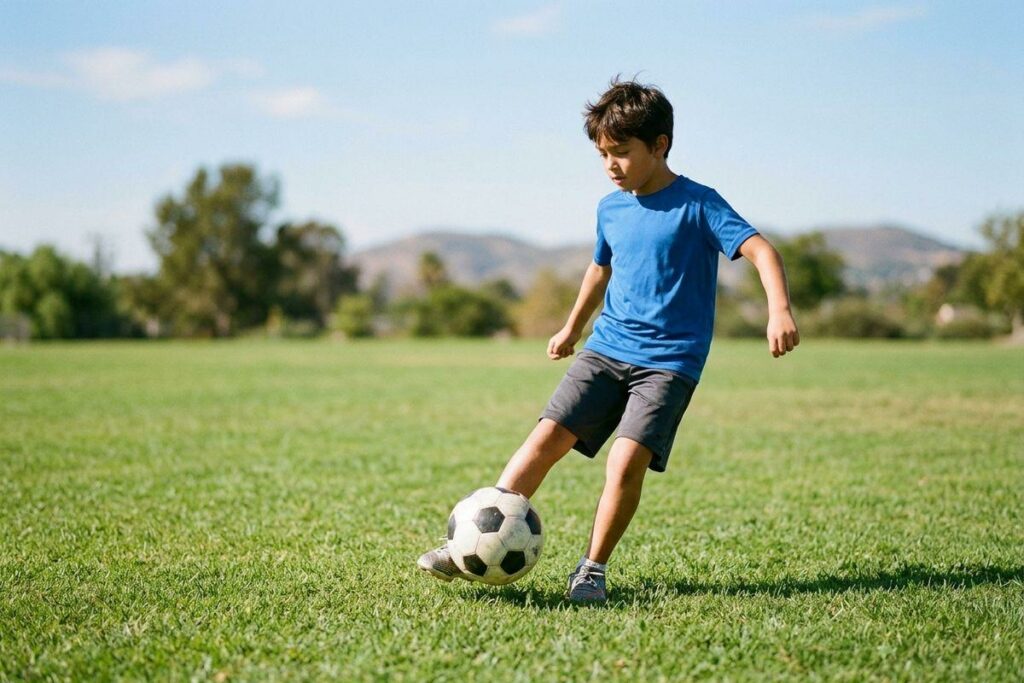
Bent frames after soccer practice. Glasses sliding down during reading time. If you’re a parent watching this scene on repeat, you’ve probably wondered whether contact lenses could simplify things for your child. Some kids do better with something that doesn’t slip, fog, or snap in half on the field.
Yes, kids can wear contact lenses, and many are ready somewhere between ages 8 and 12 as long as they can handle the daily care themselves. The real question isn’t age. It’s responsibility, and that looks different for every kid.
What the Right Age for Contacts Looks Like
No official rule sets a minimum age for contact lenses. Some 8-year-olds handle them just fine. Other kids wait until they’re teenagers, and that’s fine too.
What matters more than a birthday is how your child handles responsibility day to day. A kid who remembers to brush their teeth without being told twice, or who follows through on small routines, usually has the habits contact lenses call for. Bring your child in, and an optometrist can help you figure out if the timing makes sense.
Signs Your Child Is Ready for Contacts
You know your kid better than anyone walking into an exam room. A few everyday habits can tell you a lot about whether contacts will work.
- They handle basic chores, like brushing their teeth or tidying their room, without a reminder every single time.
- They follow directions and stick with hygiene routines once they’ve learned them.
- They keep their hands clean and can be careful with small, fiddly tasks.
Recognize your kid in that list? They may be ready to give contacts a try.
Why Some Kids Choose Contacts Over Glasses
Both correct vision, but contacts fit into a kid’s day in ways frames sometimes can’t.
Sports and Active Play
Contacts move with your child’s eyes and open up a wider field of vision. Your kid can spot a teammate off to the side without turning their whole head to do it. And there’s no frame to fog up, slide off, or get crushed during a rough play.
Everyday Comfort
For kids with stronger prescriptions, contacts bring their whole field of view into focus at once. No glasses sliding down during a test. No red marks across the nose by the end of the day. Your child just looks up and sees clearly.
Safety Habits Every Young Contact Wearer Needs
Contacts sit directly on the eye, so cleaning habits keep things comfortable. Teach your child these basics early:
- Wash and dry hands before touching any lens.
- Never share lenses with a friend, and never sleep in them.
- Skip naps with contacts still in, even short ones.
Once these steps become routine, your child can manage their own lenses without much thought at all.
Getting Fitted the Right Way
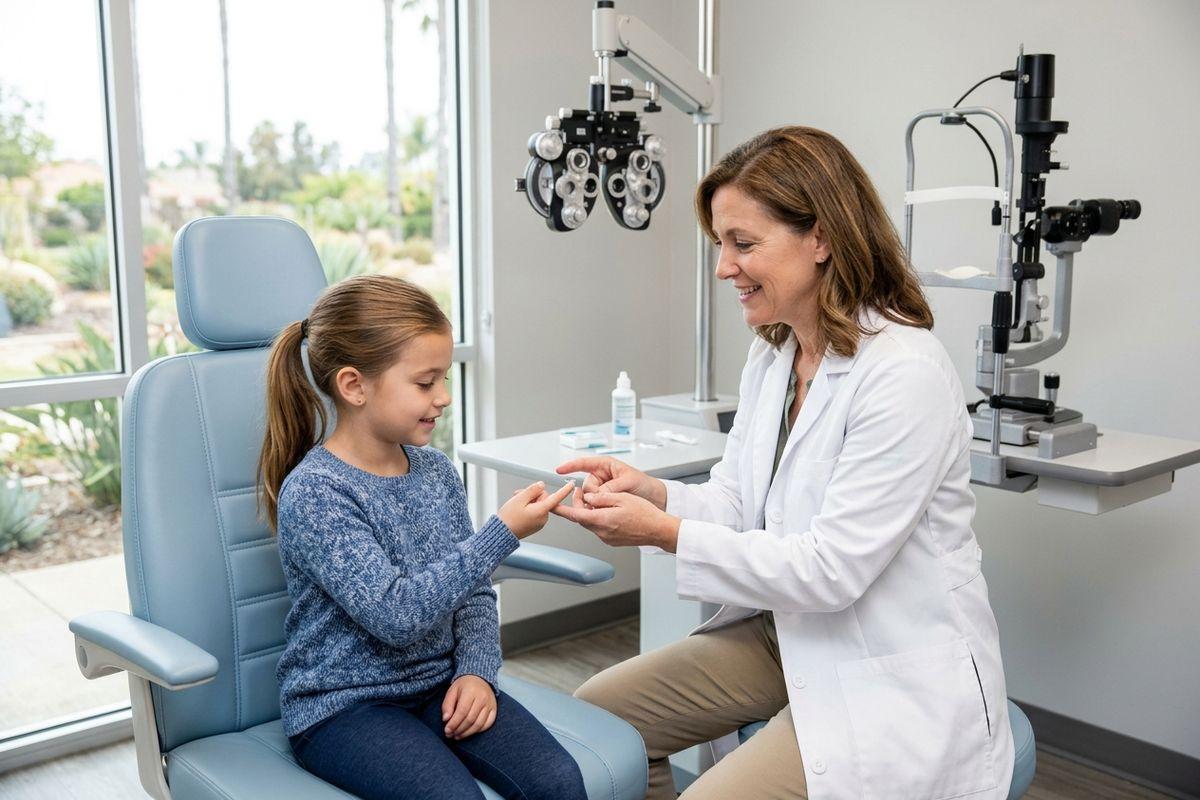
Starting your child on contacts works best with some guidance. Visit an optometrist, and they’ll measure your child’s eyes and fit lenses to match their prescription and how they actually spend their days.
Ask about myopia control lenses too. These can help manage how quickly your child’s nearsightedness progresses as they grow. Keep a backup pair of glasses on hand, and schedule regular follow-up visits so your optometrist can track any changes along the way.
Ready to Talk Contacts with Your Kid?
Watching your child struggle with glasses is frustrating for both of you. Talk it through with a professional who can look at your child’s eyes, habits, and lifestyle together.
The team at Pack and Bianes Vision works with families every day to find the right fit for kids moving into contacts. Book a children’s eye exam and find out if your child’s ready to make the switch.